NAL Business Management
Helping your business thrive
At NAL Business Management, we cut through the noise to give SMEs practical, straight-talking support that drives real growth.
Founded by Nichola Robinson, who draws on more than 30 years of expertise in sales, marketing, and business development across construction, commercial interiors, and beyond. From hands-on business development to content strategy and workshops, everything we do is built on experience, not theory.
No fluff, no jargon. Just clarity, accountability, and results.
Nichola Robinson
Business Development Consultant | Founder of NAL Business Management
Nichola Robinson is not your average consultant. With 30+ years across construction, events, and SMEs, she’s built a reputation for turning bold ideas into tangible results. Known for her straight-talking, “no fluff” approach, Nichola helps businesses cut through the noise, spot opportunities others miss, and actually deliver on them. She combines strategic thinking with hands-on action, giving clients the clarity, confidence, and momentum to grow. If you want cookie-cutter advice, look elsewhere — Nichola is about creative solutions that stick and development that works in the real world.
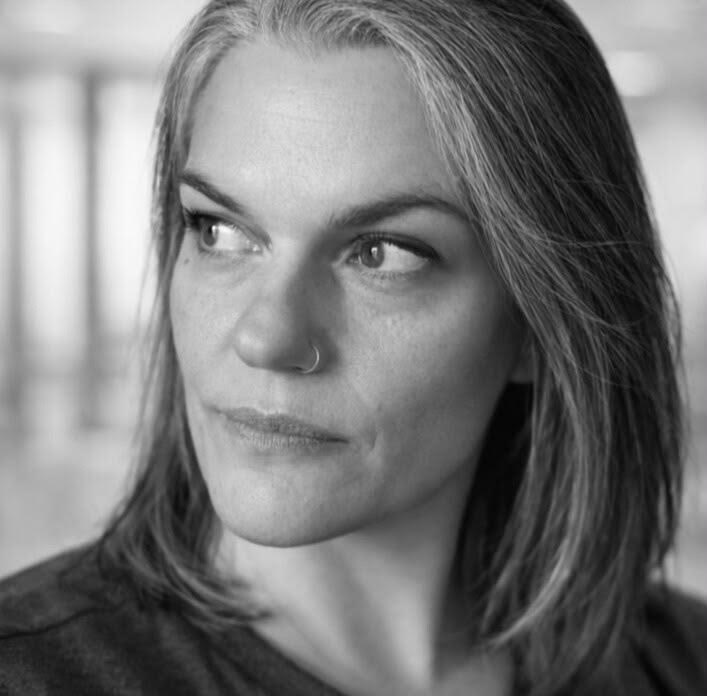
Alexandra Saffer
Business Development Consultant
With a degree in Social Housing and over 18 years of experience within the sector, she brings a powerful combination of operational insight and strategic perspective to organisations across the housing landscape. Her career has seen her work alongside a diverse range of providers, building trusted relationships and strong networks that enable her to navigate complexity and help organisations move forward with clarity and confidence.
In addition to her sector expertise, she is an NLP-accredited business coach with a proven ability to support meaningful, lasting change. Her work focuses on helping organisations nurture stronger internal cultures, align people and processes with clear commercial and operational goals, and leverage both individual and collective strengths to improve performance. This blended approach — combining deep sector understanding with behavioural insight — allows her to support clients in strengthening their foundations, empowering their teams, and achieving measurable, sustainable results.

Alicia Robinson Stewart
Writing Content Creator
Alicia Robinson Stewart is first and foremost a singer-songwriter — a creative voice with a gift for words. Alongside her music, she works as a content creator with NAL, helping brands and individuals shape stories that actually connect. Having grown up around construction and events, she has a grounded understanding of business and brings that into her writing, blending creativity with clarity. Her content is never just words on a page — it’s thought-through, purposeful, and crafted to hit the mark across blogs, campaigns, and social media.

Elena Kale
Inspired Marketing Media Partner
Elena Kale is the driving force behind Inspired Marketing Media Partner, bringing over 30 years of corporate, event, and SME expertise to the table. She doesn’t just “do marketing” — she builds strategies that get businesses seen, heard, and remembered. With a career spanning high-profile corporate campaigns to hands-on SME growth, Elena blends creativity with sharp commercial insight, helping brands connect with their audiences in ways that actually deliver results. Her hallmark? Straight-talking strategies, flawless execution, and a track record of turning visibility into measurable growth.
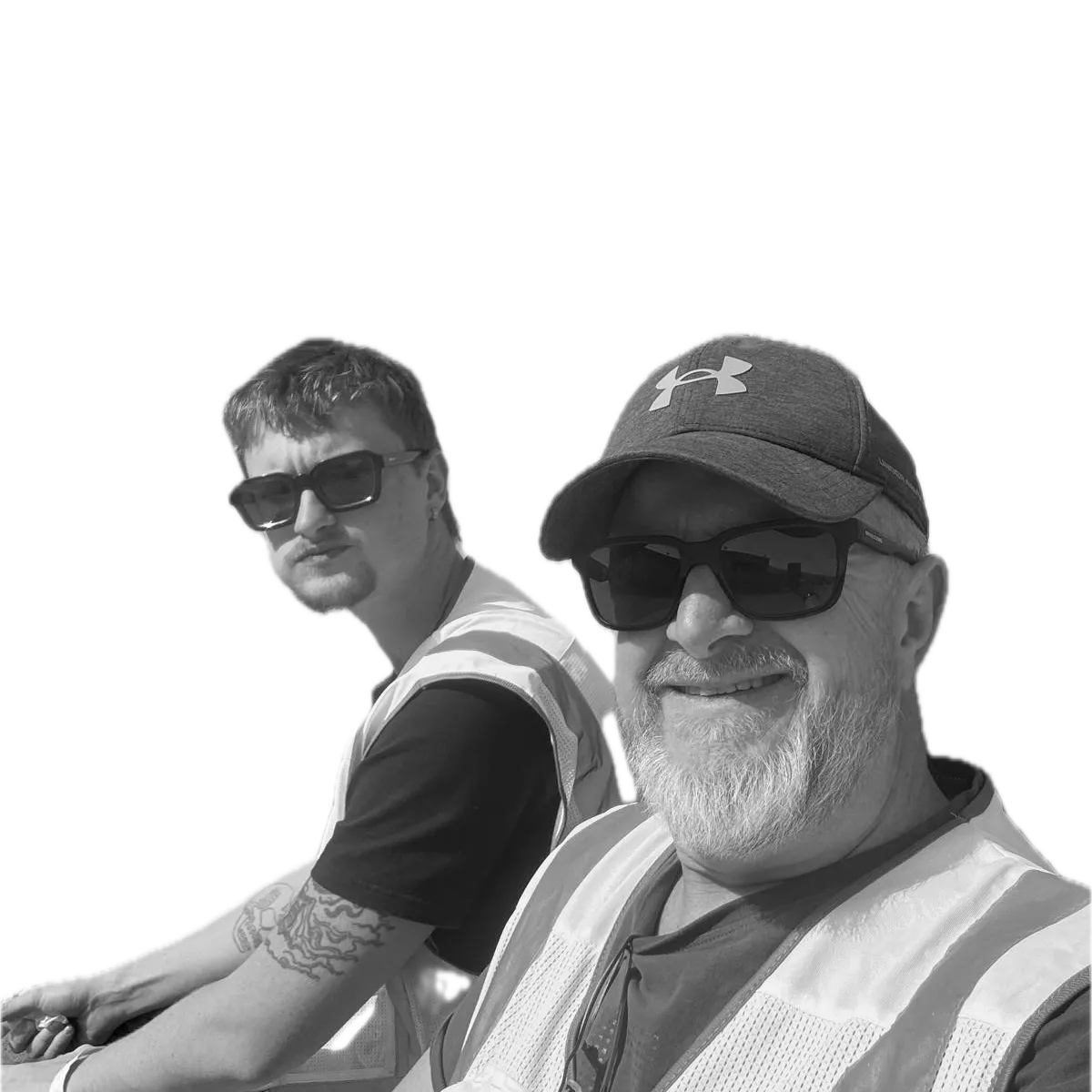
Steve and Dave Robinson
Design Display Solutions
Steve and Dave Robinson are the father-and-son duo behind Design Display Solutions, setting the benchmark in exhibition stand design, build, and project management across the globe. With decades of experience and a reputation for being the best in the industry, they combine creative vision with flawless execution. Their clients don’t just get stands that look spectacular — they get a team who put customer service at the heart of everything, delivering stress-free projects that showcase brands at their very best.

We work alongside SMEs to nurture growth, align strategy, and leverage opportunities. Our services cover business development, content strategy, workshops, and more—always with a focus on clarity and results.
Business Development (Done With You)
Content Strategy & Creation
Learn to Sell by Teaching (Workshops)
Exhibitor Lead Alignment
Private Strategy Workshops
Support for Purpose-Led Ventures
Event Planning & Exhibitions (with Design Display Solutions)
Marketing Strategy (with Inspired Marketing Media)
Trinny Woodall – Reinvention Is Power
Trinny Woodall didn’t build her business in her twenties. She built it after years of being told she was “too much,” “too opinionated,” and “not polished enough.”
After becoming known through television, Trinny launched Trinny London, a direct-to-consumer beauty brand focused on real women, real skin, and confidence over perfection. She self-funded the business and rejected traditional beauty standards.
What made Trinny different was her refusal to wait for approval. She built a community before a product and trusted her voice when others doubted it. The brand quickly became profitable and continues to grow globally.
Her story proves that age is not a limitation — hesitation is. Reinvention isn’t failure; it’s evolution.
Your life experience is your competitive advantage.
#NAL #Womaninbusiness
Deborah Meaden – Quiet Power and Consistency
Deborah Meaden didn’t grow up wealthy. She watched her family business fail, learning early that security can disappear overnight. She worked multiple jobs — retail, catering, holiday parks — saving and reinvesting everything she earned.
She built and sold several businesses long before becoming a public figure. There were no viral moments, no overnight success — just discipline, patience, and clear decision-making.
When Deborah joined Dragon’s Den, she became known for her calm authority. She didn’t shout. She didn’t chase ego. She invested in businesses she believed could last.
Her success came from consistency, not charisma — proof that loud confidence isn’t the only kind that wins.
#womeninbusiness #nal
Jo Malone – From Council Flat to Global Luxury Brand
Jo Malone grew up in a council flat in London and left school at 16 due to severe dyslexia. Traditional education didn’t work for her, and for a long time she believed that meant she wasn’t intelligent. In reality, she simply learned differently.
She trained as a facial therapist and began blending fragrances in her kitchen, creating oils to use during treatments. Clients started asking to buy them. One scent led to another. Without a marketing budget, business plan, or industry connections, Jo relied on instinct and word of mouth.
Her products caught the attention of editors at Vogue. Orders grew faster than she could keep up. Jo was suddenly running a business she never planned to build — learning logistics, production, and branding on the go.
In 1999, Estée Lauder bought Jo Malone London. Overnight, she went from kitchen blends to international shelves. Later, after illness forced her to step away, she rebuilt again with a new brand — proving success isn’t a one-time event.
#womeninbusiness #nal
Whitney Wolfe Herd – Rewriting the Rules of Tech (Founder of Bumble)
Whitney Wolfe Herd entered the tech industry young, ambitious, and full of ideas — and quickly discovered how hostile it could be to women. After co-founding Tinder, she experienced intense public scrutiny and personal attacks that forced her to step away. At just 25, she found herself at rock bottom, questioning whether she even belonged in tech at all.
Instead of leaving the industry, Whitney decided to rebuild it on her own terms.
She founded Bumble with one radical idea: women should make the first move. Investors initially doubted her. Many claimed the concept would never scale. Others said women wouldn’t want that level of control. Whitney ignored the noise and focused on creating a platform rooted in respect, safety, and choice.
Bumble wasn’t just a dating app — it became a movement. The company expanded into friendships and professional networking, reframing how women show up in digital spaces. In 2021, Whitney became the youngest self-made female billionaire, and the youngest female CEO to take a company public in the US.
Her success wasn’t about revenge — it was about reclaiming power.
Rihanna – Building an Empire by Being Herself (Founder of Fenty Beauty)
Rihanna was already a global superstar when she entered the beauty industry — but fame alone didn’t guarantee success. In fact, many brands assumed she’d simply slap her name on a product and move on. Rihanna refused.
She had spent years sitting in makeup chairs where foundation never matched her skin tone. She noticed how often women of colour were excluded, overlooked, or treated as an afterthought. Instead of accepting it, she decided to change the industry itself.
When Rihanna launched Fenty Beauty, she insisted on releasing 40 foundation shades on day one — something major brands had never done. Executives warned her it was risky. Too expensive. Too niche. She didn’t listen.
The launch was historic. Women finally saw themselves represented. Social media exploded. Shelves sold out in days. But what truly set Fenty apart wasn’t just inclusivity — it was intention. Rihanna wasn’t building a brand for everyone else. She was building it for the girl she once was.
Behind the scenes, she was deeply involved in every decision — formulas, packaging, marketing, visuals. She treated Fenty not as a celebrity side project, but as a legacy business.
Today, Fenty Beauty is worth billions and has permanently changed beauty standards across the world. Rihanna didn’t just build a company — she forced an entire industry to evolve.
#womeninbusiness #nal
Sara Blakely – From Rejection to Reinvention (Founder of Spanx)
Before Spanx was a billion-dollar brand, Sara Blakely was selling fax machines door-to-door in Florida. Every day she faced rejection. Every day she heard “no.” But what most people didn’t know was that Sara had quietly set herself a goal: she wanted to be a successful entrepreneur — even though she had no business degree, no fashion background, and no connections.
The idea for Spanx came from a moment of frustration. While getting ready for a party, Sara wanted smoother lines under her white trousers. She cut the feet off a pair of control-top tights, and something clicked. It wasn’t glamorous. It wasn’t perfect. But it worked.
What followed were years of rejection. Manufacturers laughed at her. Investors dismissed her. Many told her flat-out that women wouldn’t buy it — ironic, considering she was the target customer. Instead of quitting, Sara doubled down. She studied patents at night. She wrote her own application. She personally cold-called manufacturers until one finally said yes — largely because his daughters believed in her idea.
With just $5,000 of savings, Sara launched Spanx. She did her own marketing, pitched directly to stores, and even convinced Oprah’s stylist to try the product — a moment that changed everything. When Oprah named Spanx one of her “Favourite Things,” the brand exploded overnight.
Sara became the youngest self-made female billionaire, but what truly sets her apart is how openly she talks about failure. Her father used to ask her at the dinner table, “What did you fail at today?” Teaching her that failure wasn’t shameful — it was proof she was trying.
#womenempowerment #NAL
Brownie Wise was a marketing genius who transformed not only a brand, but the way products were sold — and who got to sell them. As the woman behind Tupperware’s iconic home-party model in the 1950s, Brownie Wise created an entirely new sales strategy that empowered women to earn their own income at a time when financial independence was rare. She understood something revolutionary: people don’t just buy products — they buy connection, trust, and community.
Through Tupperware parties, Brownie gave women a platform to build confidence, communication skills, and careers from their own homes. She celebrated top sellers with public recognition, prizes, and trips, making women visible and valued in business spaces that often excluded them. At its peak, the model created life-changing opportunities for thousands of women across the US and beyond.
Despite her massive impact, Brownie Wise was later pushed out of the company she helped build — a reminder of how often women’s contributions are overlooked or erased. Still, her legacy lives on in modern direct sales, influencer marketing, and community-led brands. Brownie Wise didn’t just sell containers — she sold possibility, independence, and the power of women supporting women
Helena Rubinstein was far more than a beauty icon — she was a visionary entrepreneur who completely reshaped the beauty industry. Born in Poland in 1872, she built one of the world’s first global cosmetics empires at a time when women rarely owned businesses, let alone led international ones. Helena believed that beauty was deeply personal and scientific, not one-size-fits-all. She pioneered the idea of skincare tailored to different skin types, combining dermatology, nutrition, and self-care long before it became mainstream.
Beyond beauty, Rubinstein was a fierce advocate for women’s independence. She proved that women could be powerful, wealthy, creative, and unapologetically ambitious. She was also a passionate art collector and philanthropist, supporting modern artists and cultural institutions across the world. Helena Rubinstein didn’t just sell creams — she sold confidence, autonomy, and the belief that women deserved to invest in themselves. Her legacy lives on as a reminder that innovation, resilience, and self-belief can change industries — and rewrite what’s possible 🌍✨
Janice Bryant Howroyd – Building From the Living Room
Janice borrowed $1,500 from her mother and started a staffing agency from her living room. No investors. No shortcuts.
ACT-1 Group grew into a multi-billion-dollar enterprise, making Janice the first Black woman to own a billion-dollar company.
Her leadership is rooted in service, discipline, and faith in long-term vision.
Consistency builds empires.
#NAL #Womaninbusiness
Anita Roddick was a revolutionary entrepreneur who proved that business could be a force for good. As the founder of The Body Shop, she challenged the beauty industry by putting ethics, sustainability, and human rights at the heart of a global brand. At a time when animal testing was widely accepted, Anita took a firm stand against it, helping to change industry standards worldwide.
Anita believed that businesses had a responsibility beyond profit. She used her platform to campaign for environmental protection, fair trade, community empowerment, and social justice — long before these values became marketing buzzwords. Her approach showed that transparency, activism, and compassion could coexist with commercial success.
More than a businesswoman, Anita Roddick was an activist with a loud voice and an unshakeable moral compass. She inspired generations to question where products come from, how they’re made, and who benefits along the way. Her legacy lives on in every brand that chooses purpose over profit — and every individual who believes that ethical choices really do matter
Public playgrounds aren’t fragile spaces.
They host toddlers, teenagers, anti-social behaviour, birthday parties and everything in between.
Yet we still design many of them with materials that rot, crack or degrade within a few winters.
I’ve just published a 7-minute read on what responsible public realm design really looks like — and why the surfaces are the foundation of it all.
We’re really sorry to share this, but Sustainable Construction with Substance is being postponed to May. We’re absolutely gutted — but we also see this as a chance to come back stronger and deliver the day exactly as we intended.
Our venue has unexpectedly closed with very little notice. We’ve explored alternative options, but we haven’t been able to secure a replacement that protects the atmosphere, experience and integrity of what we set out to create.
We know this is disappointing and disruptive, and we’re genuinely sorry for the inconvenience.
The new May date and central Manchester venue will be shared as soon as they’re confirmed.
All exhibitors and key stakeholders have been informed and are being contacted individually.
Thank you for your patience — and for backing what we’re building. We’ll be back in touch very soon.
Sustainable Construction with Substance is different by design.
I’ve been to enough industry events to know what doesn’t work — huge halls, endless rows of stands, and the illusion of engagement while the best conversations get lost in the noise.
This isn’t that.
On Thursday 26th February 2026 at Project Halcyon in Manchester, we’re bringing together just 24 carefully selected exhibitors, six CPD-style sessions, and six intimate roundtable discussions, all hosted in a venue built for people to stay, talk, challenge ideas, and actually listen. If you value substance over scale and want to be in the room where real conversations happen, DM me or Liam to secure your place.
Our Ecosystem of Partners
Sustainable Construction with Substance – Thursday 26th February 2026, Project Halcyon Manchester
NAL Business Management works with companies who are trying to improve the sector from the inside out:
LabourLok – supporting young people into construction roles that actually fit
British Recycled Plastics – turning waste plastic into long-life, carbon-saving products
Powered by Nova – supporting the development of early-stage innovation in the built environment
All of them will be represented at the event.
Because if sustainability is going to mean anything, it has to span people, materials, process and performance.
If you’d like to be in the room, DM me or Liam to secure your place.
Sustainable Construction with Substance – Thursday 26th February 2026, Project Halcyon Manchester
My biggest client, TCT Europe, is sponsoring the event — and for good reason.
They’re transforming tyre rubber from cars and tractors into construction products that cut carbon, reduce waste and perform.
No gimmicks.
No greenwashing.
Just innovation with substance.
They’re backing this event because they believe in the mission:
get the right people talking, listening, and challenging each other.
If that sounds like your kind of room, DM me or Liam to secure your place.
Sustainable Construction with Substance – Thursday 26th February 2026, Project Halcyon Manchester
I spend my life bringing the right people together.
It’s what NAL Business Management does every day — connecting suppliers, local authorities, housing associations, architects and innovators who need to be in the same room.
This event is simply doing that on a bigger scale.
A curated room.
No filler.
No timewasters.
Just meaningful conversations that move the sector forward.
If you’d like to be in the room, DM me or @liambritnell to secure your place.
For businesses like our client NOVA, this isn’t about being ahead for its own sake. It’s about recognising that the pressures on construction have fundamentally changed — and helping clients make decisions today that will still stand up tomorrow. Andrew Spencer at www.poweredbynova.co.uk
Brownie Wise was a marketing genius who transformed not only a brand, but the way products were sold — and who got to sell them. As the woman behind Tupperware’s iconic home-party model in the 1950s, Brownie Wise created an entirely new sales strategy that empowered women to earn their own income at a time when financial independence was rare. She understood something revolutionary: people don’t just buy products — they buy connection, trust, and community.
Through Tupperware parties, Brownie gave women a platform to build confidence, communication skills, and careers from their own homes. She celebrated top sellers with public recognition, prizes, and trips, making women visible and valued in business spaces that often excluded them. At its peak, the model created life-changing opportunities for thousands of women across the US and beyond.
Despite her massive impact, Brownie Wise was later pushed out of the company she helped build — a reminder of how often women’s contributions are overlooked or erased. Still, her legacy lives on in modern direct sales, influencer marketing, and community-led brands. Brownie Wise didn’t just sell containers — she sold possibility, independence, and the power of women supporting women
Anita Roddick was a revolutionary entrepreneur who proved that business could be a force for good. As the founder of The Body Shop, she challenged the beauty industry by putting ethics, sustainability, and human rights at the heart of a global brand. At a time when animal testing was widely accepted, Anita took a firm stand against it, helping to change industry standards worldwide.
Anita believed that businesses had a responsibility beyond profit. She used her platform to campaign for environmental protection, fair trade, community empowerment, and social justice — long before these values became marketing buzzwords. Her approach showed that transparency, activism, and compassion could coexist with commercial success.
More than a businesswoman, Anita Roddick was an activist with a loud voice and an unshakeable moral compass. She inspired generations to question where products come from, how they’re made, and who benefits along the way. Her legacy lives on in every brand that chooses purpose over profit — and every individual who believes that ethical choices really do matter
Helena Rubinstein was far more than a beauty icon — she was a visionary entrepreneur who completely reshaped the beauty industry. Born in Poland in 1872, she built one of the world’s first global cosmetics empires at a time when women rarely owned businesses, let alone led international ones. Helena believed that beauty was deeply personal and scientific, not one-size-fits-all. She pioneered the idea of skincare tailored to different skin types, combining dermatology, nutrition, and self-care long before it became mainstream.
Beyond beauty, Rubinstein was a fierce advocate for women’s independence. She proved that women could be powerful, wealthy, creative, and unapologetically ambitious. She was also a passionate art collector and philanthropist, supporting modern artists and cultural institutions across the world. Helena Rubinstein didn’t just sell creams — she sold confidence, autonomy, and the belief that women deserved to invest in themselves. Her legacy lives on as a reminder that innovation, resilience, and self-belief can change industries — and rewrite what’s possible 🌍✨
David Brower (1912–2000)
was one of the most influential environmentalists of the 20th century, often called the father of the modern environmental movement. At the heart of Brower’s work was a powerful belief: nature has intrinsic value, not just economic value, and protecting it is a moral responsibility.
Brower began as a mountaineer, falling in love with wild landscapes through direct experience. That love turned into action when he became the first executive director of the Sierra Club in the 1950s. Under his leadership, the organisation grew from a small conservation group into a national force for environmental protection. Brower understood that sustainability wasn’t just about preserving nature for recreation—it was about long-term survival, balance, and restraint in how humans use the Earth.
One of his strongest sustainability principles was limits. Brower famously challenged the idea of endless economic growth, arguing that a finite planet cannot sustain infinite consumption. He opposed large dam projects, particularly those that flooded wild canyons, believing they represented short-term gain at the cost of permanent ecological loss. To Brower, sustainability meant saying no—even when development promised jobs, power, or profit—if it caused irreversible harm.
He was also a master communicator. Brower pioneered the use of stunning photography and emotionally driven campaigns to connect people to environmental issues. He believed facts alone weren’t enough; people had to feel what was at stake. This approach helped lay the groundwork for modern climate and sustainability activism.
Brower’s views were sometimes seen as radical, even within environmental circles. He was uncompromising, and that cost him positions and allies. But his legacy endures in today’s sustainability movement: the push for renewable energy, the protection of wilderness, climate responsibility, and the idea that future generations deserve a healthy planet.
Ultimately, David Brower stood for a simple but challenging truth: sustainability requires humility—recognising that humans are part of nature, not above it.
Annie Turnbo Malone — the woman history forgot.
Long before beauty empires were fashionable, Annie Turnbo Malone was building one from her kitchen in the early 1900s — when Black women had almost no access to safe haircare, financial independence, or business education.
Born to formerly enslaved parents and forced to leave school due to illness, Annie began experimenting with hair treatments after seeing how damaging existing products were. What started as a personal solution quickly became a demand she couldn’t ignore.
She sold door to door.
No investors.
No protection.
No blueprint.
Her products worked — they strengthened hair rather than destroying it — and word spread fast. Annie didn’t just sell haircare; she created opportunity. She trained and employed tens of thousands of women worldwide through her company, Poro, giving them income, confidence, and independence at a time when women were rarely allowed either.
Most people don’t know this part: Annie mentored Madam C.J. Walker in her early career. Walker later built her own empire — and history chose to remember one name more than the other.
Annie became one of the wealthiest self-made women of her time. But wealth was never the point.
She used her success to fund schools, donate to charities, and support education for Black women and children. She believed business was a tool for progress — not just profit.
“I want to see our race advance and I want to see our women advance.”
That was her mission.
That was her business model.
Annie Turnbo Malone built something powerful — even if history didn’t give her the credit.
#womeninbusiness #NAL
Margaret Rudkin — Founder of Pepperidge Farm
Margaret Rudkin was not born into wealth, power, or the food industry. She was a mother in the 1920s, living in Connecticut, trying to solve a problem no one else seemed interested in — her son was severely allergic to the preservatives in store-bought bread.
So she baked her own.
Using whole ingredients and an old family recipe, she made bread at home that her son could actually eat. Friends began asking for loaves. Then neighbours. Then local shops.
She had no factory. No investors. No formal training in business or nutrition. Just a kitchen, determination, and the belief that food should be better.
Margaret personally drove loaves of bread to Manhattan stores, knocking on doors and refusing to leave until buyers tried it. In a male-dominated food industry that dismissed women as “home cooks,” she built a premium brand focused on quality long before it was fashionable.
Pepperidge Farm grew from a home oven into a national company. In 1961, she sold it to Campbell Soup — not because she failed, but because she succeeded so well that her vision had outgrown her resources.
Today, Pepperidge Farm is a household name. But its origin? One mother. One oven. One need.
Margaret Rudkin didn’t chase an empire. She solved a problem — and the empire followed.
#womeninbusiness #NAL
Janice Bryant Howroyd – Building From the Living Room
Janice borrowed $1,500 from her mother and started a staffing agency from her living room. No investors. No shortcuts.
ACT-1 Group grew into a multi-billion-dollar enterprise, making Janice the first Black woman to own a billion-dollar company.
Her leadership is rooted in service, discipline, and faith in long-term vision.
Consistency builds empires.
#NAL #Womaninbusiness
Trinny Woodall – Reinvention Is Power
Trinny Woodall didn’t build her business in her twenties. She built it after years of being told she was “too much,” “too opinionated,” and “not polished enough.”
After becoming known through television, Trinny launched Trinny London, a direct-to-consumer beauty brand focused on real women, real skin, and confidence over perfection. She self-funded the business and rejected traditional beauty standards.
What made Trinny different was her refusal to wait for approval. She built a community before a product and trusted her voice when others doubted it. The brand quickly became profitable and continues to grow globally.
Her story proves that age is not a limitation — hesitation is. Reinvention isn’t failure; it’s evolution.
Your life experience is your competitive advantage.
#NAL #Womaninbusiness
Deborah Meaden – Quiet Power and Consistency
Deborah Meaden didn’t grow up wealthy. She watched her family business fail, learning early that security can disappear overnight. She worked multiple jobs — retail, catering, holiday parks — saving and reinvesting everything she earned.
She built and sold several businesses long before becoming a public figure. There were no viral moments, no overnight success — just discipline, patience, and clear decision-making.
When Deborah joined Dragon’s Den, she became known for her calm authority. She didn’t shout. She didn’t chase ego. She invested in businesses she believed could last.
Her success came from consistency, not charisma — proof that loud confidence isn’t the only kind that wins.
#womeninbusiness #nal
Jo Malone – From Council Flat to Global Luxury Brand
Jo Malone grew up in a council flat in London and left school at 16 due to severe dyslexia. Traditional education didn’t work for her, and for a long time she believed that meant she wasn’t intelligent. In reality, she simply learned differently.
She trained as a facial therapist and began blending fragrances in her kitchen, creating oils to use during treatments. Clients started asking to buy them. One scent led to another. Without a marketing budget, business plan, or industry connections, Jo relied on instinct and word of mouth.
Her products caught the attention of editors at Vogue. Orders grew faster than she could keep up. Jo was suddenly running a business she never planned to build — learning logistics, production, and branding on the go.
In 1999, Estée Lauder bought Jo Malone London. Overnight, she went from kitchen blends to international shelves. Later, after illness forced her to step away, she rebuilt again with a new brand — proving success isn’t a one-time event.
#womeninbusiness #nal
Whitney Wolfe Herd – Rewriting the Rules of Tech (Founder of Bumble)
Whitney Wolfe Herd entered the tech industry young, ambitious, and full of ideas — and quickly discovered how hostile it could be to women. After co-founding Tinder, she experienced intense public scrutiny and personal attacks that forced her to step away. At just 25, she found herself at rock bottom, questioning whether she even belonged in tech at all.
Instead of leaving the industry, Whitney decided to rebuild it on her own terms.
She founded Bumble with one radical idea: women should make the first move. Investors initially doubted her. Many claimed the concept would never scale. Others said women wouldn’t want that level of control. Whitney ignored the noise and focused on creating a platform rooted in respect, safety, and choice.
Bumble wasn’t just a dating app — it became a movement. The company expanded into friendships and professional networking, reframing how women show up in digital spaces. In 2021, Whitney became the youngest self-made female billionaire, and the youngest female CEO to take a company public in the US.
Her success wasn’t about revenge — it was about reclaiming power.
Rihanna – Building an Empire by Being Herself (Founder of Fenty Beauty)
Rihanna was already a global superstar when she entered the beauty industry — but fame alone didn’t guarantee success. In fact, many brands assumed she’d simply slap her name on a product and move on. Rihanna refused.
She had spent years sitting in makeup chairs where foundation never matched her skin tone. She noticed how often women of colour were excluded, overlooked, or treated as an afterthought. Instead of accepting it, she decided to change the industry itself.
When Rihanna launched Fenty Beauty, she insisted on releasing 40 foundation shades on day one — something major brands had never done. Executives warned her it was risky. Too expensive. Too niche. She didn’t listen.
The launch was historic. Women finally saw themselves represented. Social media exploded. Shelves sold out in days. But what truly set Fenty apart wasn’t just inclusivity — it was intention. Rihanna wasn’t building a brand for everyone else. She was building it for the girl she once was.
Behind the scenes, she was deeply involved in every decision — formulas, packaging, marketing, visuals. She treated Fenty not as a celebrity side project, but as a legacy business.
Today, Fenty Beauty is worth billions and has permanently changed beauty standards across the world. Rihanna didn’t just build a company — she forced an entire industry to evolve.
#womeninbusiness #nal
Sara Blakely – From Rejection to Reinvention (Founder of Spanx)
Before Spanx was a billion-dollar brand, Sara Blakely was selling fax machines door-to-door in Florida. Every day she faced rejection. Every day she heard “no.” But what most people didn’t know was that Sara had quietly set herself a goal: she wanted to be a successful entrepreneur — even though she had no business degree, no fashion background, and no connections.
The idea for Spanx came from a moment of frustration. While getting ready for a party, Sara wanted smoother lines under her white trousers. She cut the feet off a pair of control-top tights, and something clicked. It wasn’t glamorous. It wasn’t perfect. But it worked.
What followed were years of rejection. Manufacturers laughed at her. Investors dismissed her. Many told her flat-out that women wouldn’t buy it — ironic, considering she was the target customer. Instead of quitting, Sara doubled down. She studied patents at night. She wrote her own application. She personally cold-called manufacturers until one finally said yes — largely because his daughters believed in her idea.
With just $5,000 of savings, Sara launched Spanx. She did her own marketing, pitched directly to stores, and even convinced Oprah’s stylist to try the product — a moment that changed everything. When Oprah named Spanx one of her “Favourite Things,” the brand exploded overnight.
Sara became the youngest self-made female billionaire, but what truly sets her apart is how openly she talks about failure. Her father used to ask her at the dinner table, “What did you fail at today?” Teaching her that failure wasn’t shameful — it was proof she was trying.
#womenempowerment #NAL
Brownie Wise was a marketing genius who transformed not only a brand, but the way products were sold — and who got to sell them. As the woman behind Tupperware’s iconic home-party model in the 1950s, Brownie Wise created an entirely new sales strategy that empowered women to earn their own income at a time when financial independence was rare. She understood something revolutionary: people don’t just buy products — they buy connection, trust, and community.
Through Tupperware parties, Brownie gave women a platform to build confidence, communication skills, and careers from their own homes. She celebrated top sellers with public recognition, prizes, and trips, making women visible and valued in business spaces that often excluded them. At its peak, the model created life-changing opportunities for thousands of women across the US and beyond.
Despite her massive impact, Brownie Wise was later pushed out of the company she helped build — a reminder of how often women’s contributions are overlooked or erased. Still, her legacy lives on in modern direct sales, influencer marketing, and community-led brands. Brownie Wise didn’t just sell containers — she sold possibility, independence, and the power of women supporting women
Helena Rubinstein was far more than a beauty icon — she was a visionary entrepreneur who completely reshaped the beauty industry. Born in Poland in 1872, she built one of the world’s first global cosmetics empires at a time when women rarely owned businesses, let alone led international ones. Helena believed that beauty was deeply personal and scientific, not one-size-fits-all. She pioneered the idea of skincare tailored to different skin types, combining dermatology, nutrition, and self-care long before it became mainstream.
Beyond beauty, Rubinstein was a fierce advocate for women’s independence. She proved that women could be powerful, wealthy, creative, and unapologetically ambitious. She was also a passionate art collector and philanthropist, supporting modern artists and cultural institutions across the world. Helena Rubinstein didn’t just sell creams — she sold confidence, autonomy, and the belief that women deserved to invest in themselves. Her legacy lives on as a reminder that innovation, resilience, and self-belief can change industries — and rewrite what’s possible 🌍✨
Janice Bryant Howroyd – Building From the Living Room
Janice borrowed $1,500 from her mother and started a staffing agency from her living room. No investors. No shortcuts.
ACT-1 Group grew into a multi-billion-dollar enterprise, making Janice the first Black woman to own a billion-dollar company.
Her leadership is rooted in service, discipline, and faith in long-term vision.
Consistency builds empires.
#NAL #Womaninbusiness
Anita Roddick was a revolutionary entrepreneur who proved that business could be a force for good. As the founder of The Body Shop, she challenged the beauty industry by putting ethics, sustainability, and human rights at the heart of a global brand. At a time when animal testing was widely accepted, Anita took a firm stand against it, helping to change industry standards worldwide.
Anita believed that businesses had a responsibility beyond profit. She used her platform to campaign for environmental protection, fair trade, community empowerment, and social justice — long before these values became marketing buzzwords. Her approach showed that transparency, activism, and compassion could coexist with commercial success.
More than a businesswoman, Anita Roddick was an activist with a loud voice and an unshakeable moral compass. She inspired generations to question where products come from, how they’re made, and who benefits along the way. Her legacy lives on in every brand that chooses purpose over profit — and every individual who believes that ethical choices really do matter
Prefer to take things at your own pace? We’ve created resources you can work through independently—designed to give you clarity and confidence without the jargon.
Whether you’re looking for a complete sales reset or just a practical tool to tackle one challenge, these resources are built to help you make progress on your own terms.
So You Think You Can’t Sell (But You Can)
Nichola’s practical workbook, packed with tools and exercises to help you build sales skills step by step.
Now only £12.99
Downloadable Guides & Templates
A growing library of PDF resources covering business development, sales, and content strategy.
Available instantly via PayHip.